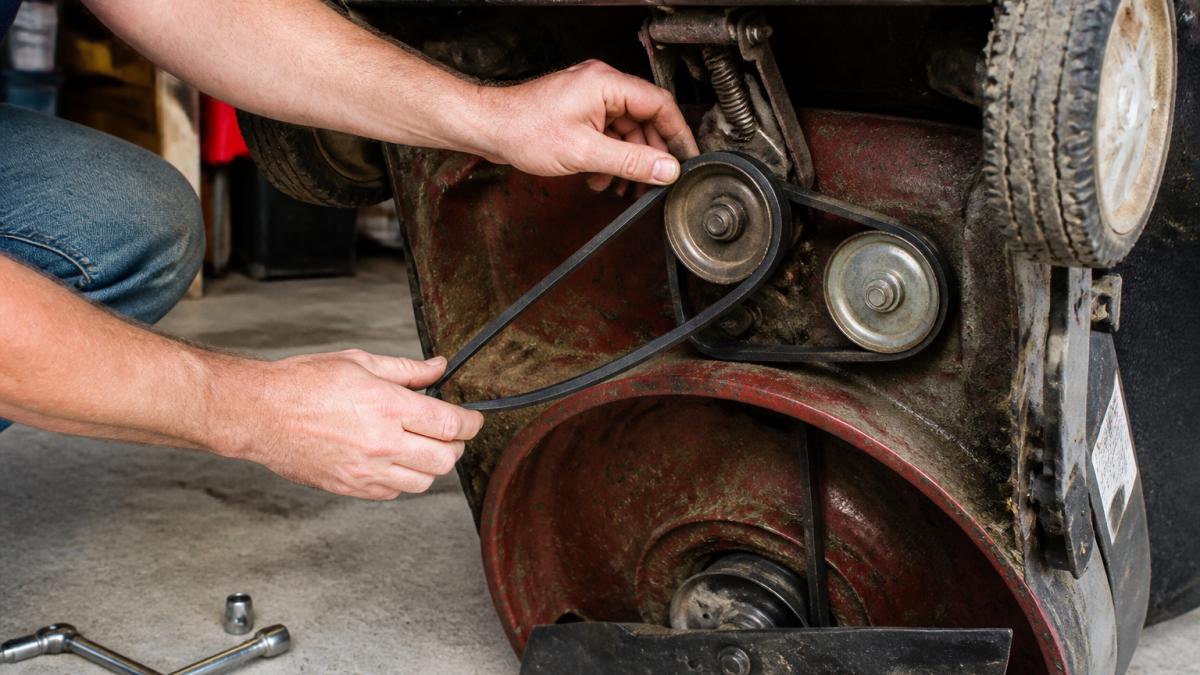
 how-to
How to Prevent Mower Belt Slippage: A Step-by-Step Guide
Table of Contents
- Why Mower Belt Slippage Happens
- How to Measure Lawn Mower Belt Size and Condition
- Signs of a Bad Mower Deck Belt
- Lawn Mower Belt Tension Adjustment Procedure
- Checking Pulley Alignment and Debris Buildup
- Spring Tensioners and Belt Dressing: What You Need to Know
- Preventative Maintenance to Stop Slippage Before It Starts
- Frequently Asked Questions
Last Updated: October 2, 2026
Why Mower Belt Slippage Happens
To prevent mower belt slippage, you must understand that it occurs when the V-belt loses grip on the pulleys and spins without transferring power effectively.
The most common culprit is worn or stretched belts. Over time, belts compress and lose their grip.
Tension problems are equally important. A belt that's too loose can't maintain contact with the pulleys. But over-tightening damages the bearings and shortens belt life. Finding the right balance is critical.
Pulley misalignment is another frequent problem. If pulleys don't line up perfectly, the belt rides at an angle and loses contact. This causes slippage even on a new belt.
How to Measure Lawn Mower Belt Size and Condition
Before you buy a replacement belt, you need to know the exact size. The wrong size won't fit properly and will slip immediately. Measuring takes five minutes and saves you from ordering the wrong part.
Measuring Belt Length and Width
Start by locating the belt size markings. Most belts have the size stamped or printed on the rubber.
If the markings are worn away, measure the belt directly. Remove the belt from the mower and lay it flat on a work surface.
Measure the length around the belt's centerline. Record this to the nearest eighth of an inch. Then measure the width across the flat top of the belt.
Write down both measurements. When you contact a supplier, have these numbers ready. They'll help you find the exact replacement belt you need.
Identifying Worn or Stretched Belts
A stretched belt loses its ability to grip the pulleys. You can spot this by checking belt deflection. Press on the belt midway between two pulleys with moderate thumb pressure. A new belt deflects about 1/2 inch.
Look for cracks or splits in the belt surface. Small surface cracks are normal, but deep splits mean the belt is failing. Check the inner surface too. If it's glazed and shiny instead of slightly rough, the belt has lost friction.
Compare your belt to a new one if possible. A worn belt will look noticeably thinner and flatter. The rubber may be discolored or hardened from heat exposure.
Signs of a Bad Mower Deck Belt
Several warning signs tell you the deck drive belt needs replacement. Catching these early prevents mid-mow failure and keeps your cutting deck working smoothly.
The most obvious sign is squealing. A belt that squeals under load is slipping.
Loss of cutting power is another red flag. If the deck slows down or stops cutting when you're mowing thick grass, the belt is slipping.
Visible slippage is the clearest indicator. Watch the deck belt while the engine runs.
Check for belt bottoming out.
Finally, look for uneven cutting.
Lawn Mower Belt Tension Adjustment Procedure
Proper tension is the foundation of how to prevent mower belt slippage. Too loose and it slips. Too tight and it damages bearings. The right tension keeps your belt gripping without excess wear.
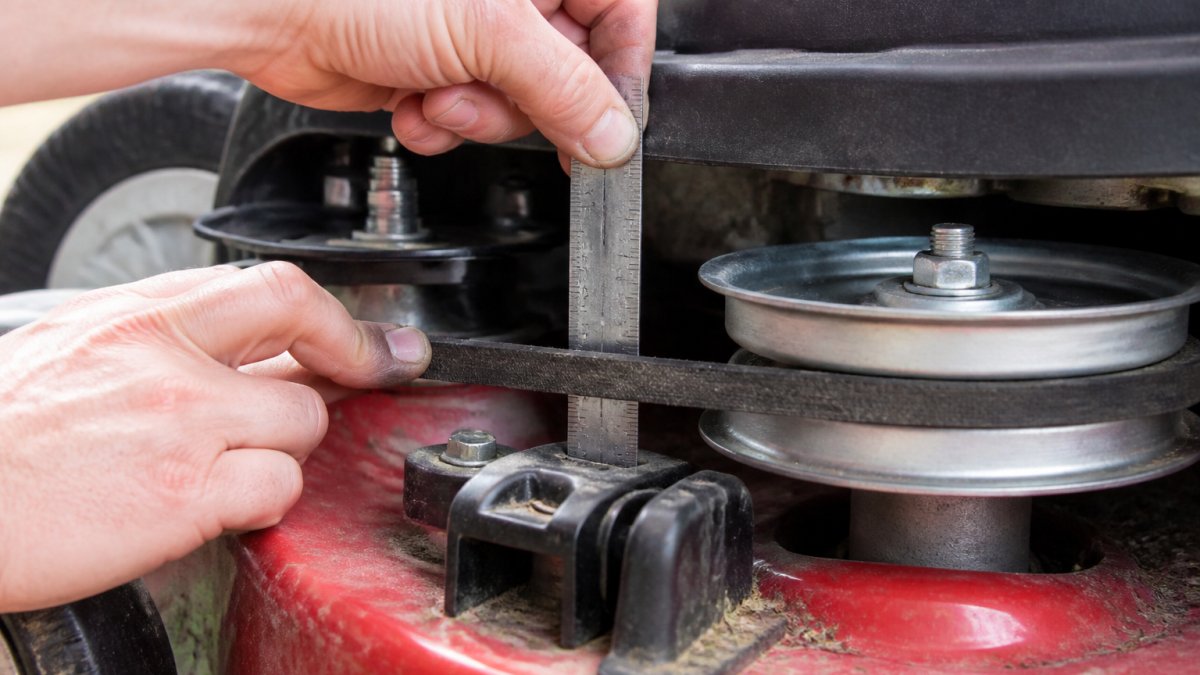
Finding the Tensioner Pulley
Most lawn mowers use an idler pulley or spring tensioner to maintain belt tension. This is usually a smaller pulley mounted on a movable arm.
Locate this tensioner by looking at your belt routing diagram. This diagram is usually on the deck or in your owner's manual. The tensioner pulley is typically near the blade engagement clutch.
Check if your tensioner uses a spring or a bolt-adjustment mechanism. Spring tensioners maintain consistent pressure automatically. Bolt-type tensioners require manual adjustment with a wrench.
Inspect the tensioner pulley itself. If it's cracked, worn, or doesn't spin freely, it needs replacement.
Setting Correct Belt Deflection
Belt deflection is the distance the belt moves when you press on it.
Stop the engine and let it cool. Locate the belt midway between two pulleys.
The ideal deflection is 1/2 inch for most lawn mower belts. Some mowers specify 3/8 inch or 5/8 inch, so check your manual.
If the belt is too loose, locate the tensioner bolt.
If the belt is too tight, loosen the tensioner bolt and move the arm to reduce pressure.
After adjusting, run the mower for a few minutes under load. Check deflection again. Tension sometimes settles after initial adjustment.
Checking Pulley Alignment and Debris Buildup
Misaligned pulleys and debris accumulation are silent killers of belt grip. Both are easy to fix and prevent most slippage problems.
Inspecting Pulley Alignment
Pulleys must be perfectly aligned for the belt to grip properly.
To check alignment, spin the belt by hand and watch how it tracks. The belt should run straight and centered on each pulley.
Use a straight edge or laser alignment tool to check. Place the straight edge against the pulley faces.
Check for worn or damaged pulley grooves. Run your finger along the grooves. They should be smooth and V-shaped.
Inspect bearing play by trying to move the pulley side to side. Excessive movement means worn bearings. Worn bearings allow the pulley to shift position, causing misalignment.
Clearing Grass and Debris
Grass clippings and dirt create a slick surface that prevents belt grip. Regular cleaning prevents most slippage problems.
Stop the engine and disconnect the spark plug wires (Take Precautions To Prevent Gardening And Yard Work Injuries). This prevents accidental starting while you're working. Allow the deck to cool for at least 30 minutes.
Use a brush or compressed air to remove debris from around the pulleys. Pay special attention to the area where the belt contacts the pulleys.
Check inside the pulley grooves. Debris can pack into the grooves and prevent the belt from seating properly.
Wipe the belt clean with a dry cloth. Remove any oil, grease, or slime that might reduce friction.
Finally, inspect the deck underside for grass buildup. Accumulated grass reduces airflow and traps moisture. Clean out any thick buildup.
Spring Tensioners and Belt Dressing: What You Need to Know
Spring tensioners automatically maintain belt tension as the belt stretches over time. Understanding how they work helps you maintain them properly.
A spring tensioner uses a coil spring to push the idler pulley against the belt.
Over time, springs weaken and lose their tension force. A weak spring can't maintain proper belt tension, causing slippage.
Check spring condition by pressing on the tensioner arm.
Belt dressing is a rubber conditioner that temporarily improves belt grip. It's useful for old belts that are slightly glazed.
Use belt dressing only as a temporary measure while waiting for a replacement belt. Apply it sparingly to the belt's outer surface. Avoid getting it on the pulleys or inside the grooves.
The real solution to slippage is replacing worn belts and maintaining proper tension. Belt dressing masks the problem but doesn't solve it.
Preventative Maintenance to Stop Slippage Before It Starts
Regular maintenance prevents most belt slippage problems.
Clean the deck after each mowing session.
Check belt tension monthly during mowing season. Belts stretch gradually, and monthly checks catch problems early.
Inspect pulleys and bearings every two months. Look for cracks, flat spots, or wear.
Replace belts annually if you mow frequently.
Store your mower indoors during off-season. Heat and UV exposure degrade rubber belts.
Keep the deck clean and dry. Moisture promotes rust on pulleys and reduces belt grip.
Use quality replacement belts from trusted suppliers. Cheap belts wear faster and slip more easily. Quality belts cost slightly more but last longer and grip better. When you're ready to replace your belt, V-Belt Nation carries a full range of lawn and garden belts.
| Maintenance Task | Frequency | Time Required |
|---|---|---|
| Clean deck after mowing | After each use | 5 minutes |
| Check belt deflection | Monthly | 2 minutes |
| Inspect pulleys and bearings | Every 2 months | 10 minutes |
| Clean debris from pulleys | Monthly | 5 minutes |
| Replace belt | Annually or as needed | 30 minutes |
| Store mower indoors | Off-season | One-time |
Mower belt slippage is frustrating, but it's entirely preventable with proper maintenance.
When you need a replacement belt, choosing quality matters.
Frequently Asked Questions
Why does my lawn mower belt keep slipping off?
Mower belt slippage occurs when tension is too loose, the belt is worn or stretched, pulleys are misaligned, or debris has accumulated around the drive system. Check belt deflection first, it should move about ½ inch when pressed midway between pulleys. If deflection exceeds this, tighten the tensioner pulley. Worn belts lose their grip even at correct tension and need replacement. Grass and dirt buildup reduces friction, so clear the deck regularly.
How do I know if my mower belt is too loose?
A loose belt will slip under load, causing the deck to cut unevenly or stop spinning while the engine runs. You'll hear a squealing noise and may see the belt smoking slightly. To check tension, press the belt midway between two pulleys with your thumb. It should deflect about ½ inch, not rigid, but with noticeable resistance. If it sags more than ½ inch or feels soft, the tensioner spring has weakened and needs adjustment or replacement.
Can a worn-out pulley cause mower belt slippage?
Yes. Worn pulleys develop flat spots, grooves, or bearing play that prevent the belt from gripping properly. Inspect pulleys for visible damage, cracks, or rust. Spin each pulley by hand, it should rotate freely without wobbling. If a pulley binds, wobbles, or has visible wear, replace it. Misaligned pulleys also cause slippage; pulleys should sit in the same plane. Use a straightedge across the pulley faces to check alignment.
How often should I replace my mower deck belt?
Mower deck belts typically last 2-3 years with regular maintenance, or sooner if you mow wet grass frequently or operate under heavy load. Inspect the belt monthly during the mowing season for fraying, cracks, or glazing. Replace immediately if you see significant wear, stretched sections, or V-belt bottoming out (the belt sitting too deep in the pulley groove). Preventative replacement before failure reduces downtime and protects pulleys from damage.