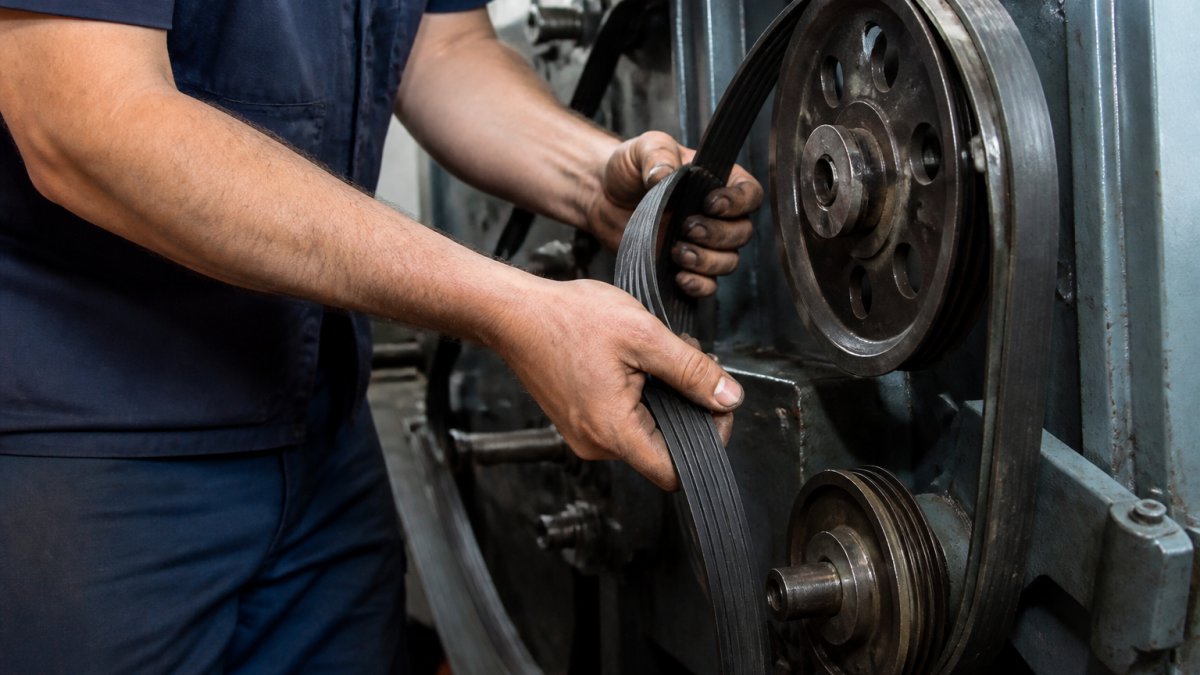
 comparison
Is It Worth Replacing Pulleys With Belts?
Table of Contents
- Why Pulleys and Belts Should Be Replaced Together
- Signs of a Failing Idler Pulley
- How Worn Pulleys Damage New Belts
- How to Inspect Belt Tensioners
- Serpentine Belt Replacement Cost and Labor Breakdown
- DIY vs. Professional Installation: What Matters
- The Real Cost of Delaying Pulley Replacement
- Frequently Asked Questions
Last Updated: October 4, 2026
Why Pulleys and Belts Should Be Replaced Together
The most common mistake in drive system maintenance is replacing the serpentine belt without addressing worn pulleys. When you install a new belt on old, damaged pulleys, you're essentially putting fresh rubber against rough, misaligned surfaces. The new belt wears out prematurely, sometimes within months, because the underlying problem never got fixed.
Here's what happens: as pulleys age, their bearing surfaces degrade and grooves wear unevenly. A worn idler pulley or tensioner creates friction and misalignment that chews through a new belt faster than the old one failed. You end up paying for the same repair twice, plus additional labor costs the second time around.
The accessory drive system works as a single unit. The belt, tensioner, and idler pulleys are interdependent. When one component shows wear, the others have likely accumulated damage too. Replacing them together ensures all parts have matching service life and eliminates the risk of secondary failures.
We recommend evaluating the entire drive system when you notice belt problems. If your serpentine belt is slipping or squealing, inspect the pulleys before ordering a replacement. A worn idler pulley or misaligned tensioner assembly will destroy a new belt within weeks.
Signs of a Failing Idler Pulley
An idler pulley that's approaching failure produces clear warning signs. The most obvious is a high-pitched squealing noise from the engine compartment, especially during cold starts or when the air conditioning compressor engages. This sound indicates the pulley bearing is losing its grip on the belt.
Another telltale sign is visible pulley play, the wheel wobbles or moves laterally when you try to turn it by hand with the engine off. A healthy pulley spins freely with no side-to-side movement. If you feel play or resistance, the bearing is failing and needs replacement.
Look for cracks or chunks missing from the pulley groove. Heat damage and friction create visible scoring and deterioration on the groove surface. When the groove is damaged, even a new belt won't maintain proper tension because it can't seat correctly.
Premature belt wear is another indicator. If a belt that should last 50,000 to 100,000 miles is shredding after 20,000 miles, the pulley is likely the culprit. Worn pulleys create uneven tension and deflection that accelerates belt degradation. Replacing just the belt in this scenario wastes money and time.
Listen for grinding or rumbling sounds from the pulley area. These noises suggest bearing failure is advanced. A grinding pulley will soon seize completely, which can cause catastrophic failure of the entire accessory drive system.
How Worn Pulleys Damage New Belts
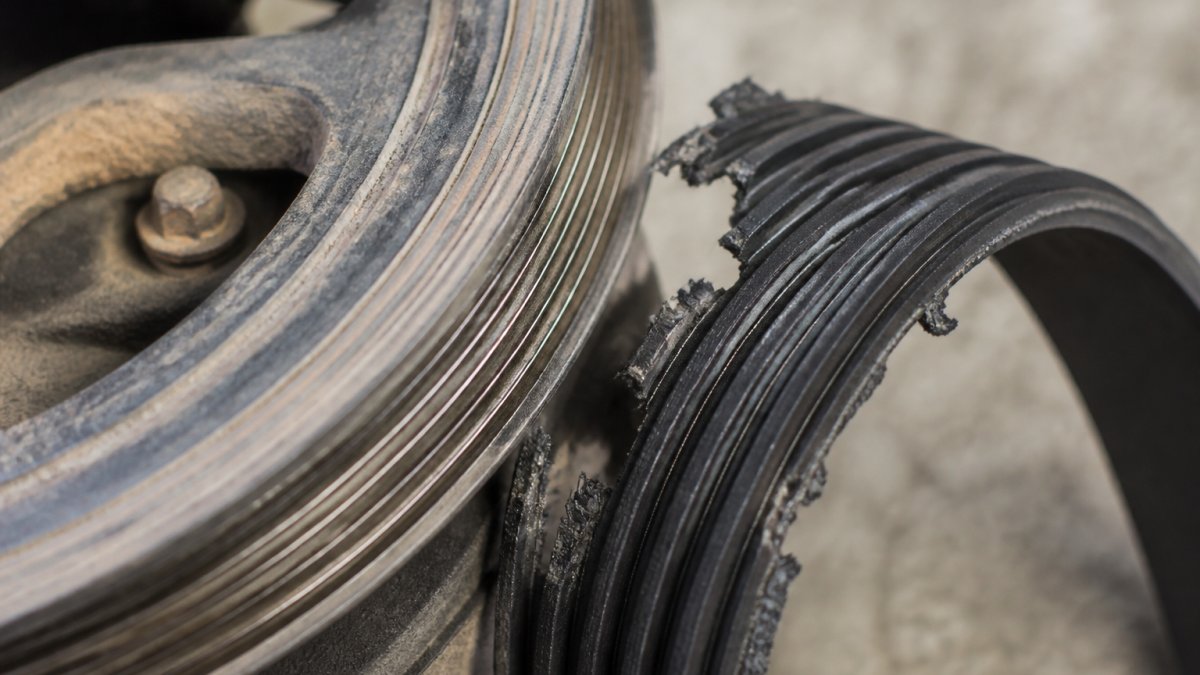
Worn pulleys damage new belts through three primary mechanisms: misalignment, uneven tension, and surface friction.
Misalignment occurs when a pulley bearing wears and allows the wheel to shift position. Even a small lateral deviation, a fraction of an inch, forces the belt to track unevenly across the groove. This creates edge loading, where the belt's sides bear more stress than the center.
Uneven tension is the second damage vector. A worn idler pulley or tensioner can't maintain consistent pressure on the belt. Slack sections allow the belt to slip, which generates friction and heat. Tight sections overload the belt material. This inconsistent tension accelerates wear and can cause the belt to shred.
Surface friction completes the damage cycle. Rough, scored pulley grooves act like sandpaper against the belt. Every rotation grinds microscopic material away from the belt's surface. The rubber compound loses its structural integrity. Within weeks, the belt develops cracks and eventually fails completely.
The belt also transfers damage back to the pulley. As the belt degrades, it sheds rubber particles that get trapped in the groove. These particles create additional friction and accelerate bearing wear. The system enters a failure loop where each component damages the other.
Replacing pulleys with belts means addressing this cycle. New pulleys have smooth grooves, proper alignment, and functioning bearings that maintain consistent tension. A new belt installed on new pulleys gets the conditions it needs to reach its full service life.
How to Inspect Belt Tensioners
The belt tensioner is a critical component that's often overlooked during belt replacement. A failing tensioner creates the same problems as a worn idler pulley, misalignment, inconsistent tension, and premature belt wear.
Start by visually inspecting the tensioner arm for cracks or damage. The arm is usually made of metal or heavy plastic and connects the spring-loaded tensioner wheel to the engine block. Cracks indicate the tensioner has experienced excessive vibration or impact. A cracked arm should be replaced immediately.
Check the tensioner spring by applying light pressure to the tensioner arm. The arm should move smoothly and return to its original position when you release it. If the arm feels stiff, moves with resistance, or doesn't return fully, the spring is failing.
Spin the tensioner wheel by hand with the engine off. It should rotate freely with no grinding sounds or resistance. Any grinding, squealing, or rough rotation indicates bearing failure. A bad tensioner bearing will destroy a new belt just as quickly as a failed idler pulley.
Look for oil leaks around the tensioner assembly. Leaking oil reduces friction on the belt and causes slipping. Oil contamination also degrades the rubber compound in the belt, shortening its lifespan significantly. If you see oil on the belt or around the tensioner, the tensioner seal is failing.
Measure belt deflection at the midpoint between two pulleys. Press the belt with moderate thumb pressure. It should deflect about half an inch. If the belt moves more than an inch or doesn't move at all, tension is incorrect. Improper deflection indicates a tensioner that's not functioning correctly.
Serpentine Belt Replacement Cost and Labor Breakdown
Serpentine belt replacement involves both parts and labor. Understanding the cost breakdown helps you decide whether replacing pulleys with belts makes financial sense.
Belt cost varies by vehicle make and model. A serpentine belt typically ranges in price depending on quality and vehicle type. Quality matters here, a premium belt from a reputable manufacturer costs more upfront but lasts significantly longer than a budget option.
Labor cost is where the decision becomes important. Professional installation typically requires one to two hours of work. The technician must remove the belt, inspect the pulleys and tensioner, adjust tension, and verify proper alignment. If pulleys need replacement, labor time increases to two to four hours because additional components must be removed and installed.
Here's the cost analysis: if a new belt costs less than the labor to replace it again six months later, replacing pulleys with the belt makes financial sense. Most shops charge between $100 and $200 per hour for labor. A two-hour job costs $200 to $400.
An idler pulley typically costs less than the labor to install it. A tensioner costs more but still represents good value when you factor in the labor that would be required to replace it separately later. Buying all components together and replacing them in one service appointment distributes the labor cost across multiple parts.
Consider the ripple effect of premature belt failure. A belt that fails unexpectedly can damage the serpentine belt drive system further. It might damage the alternator, power steering pump, or water pump if the belt breaks suddenly. That secondary damage multiplies your repair costs dramatically.
DIY vs. Professional Installation: What Matters
Replacing a serpentine belt is one of the more accessible DIY repairs for mechanically inclined owners. The job requires basic hand tools and moderate mechanical skill. However, replacing pulleys with belts introduces complexity that changes the calculus.
A belt-only replacement is straightforward: remove the old belt, install the new one, adjust tension, and verify alignment. Most DIYers can complete this in an hour. The risk is low because you're not disturbing other engine components.
Adding pulley replacement increases difficulty significantly. Removing a tensioner or idler pulley requires removing the belt first, then unbolting the pulley from the engine block. On some vehicles, you must remove additional components to access the mounting bolts.
The real challenge is alignment and tension. Professional technicians use specialized tools to verify that pulleys are aligned and the belt tracks correctly. DIYers typically rely on visual inspection and feel. Improper tension causes the same premature wear that prompted the repair in the first place.
If you're comfortable with basic mechanical work and have access to a torque wrench and belt tension gauge, DIY pulley replacement is possible. You'll save the labor cost but invest your time. The money saved is typically $200 to $400 depending on your location and vehicle.
Professional installation guarantees proper alignment, correct torque, and appropriate tension. The technician has experience with your specific vehicle and knows common pitfalls. If something goes wrong, the shop stands behind the work. That warranty protection is valuable.
For most vehicle owners, professional installation is the better choice when replacing pulleys with belts. The labor cost is reasonable compared to the risk of premature failure if the job is done incorrectly.
The Real Cost of Delaying Pulley Replacement
Delaying pulley replacement while the serpentine belt is failing creates a cascade of problems that multiplies your repair costs.
When a belt is slipping or squealing, the underlying cause is usually a worn pulley or tensioner. Ignoring these warning signs and replacing only the belt means you're treating the symptom, not the disease. The new belt fails prematurely because the root cause remains.
Each premature belt failure costs money. You pay for another belt, another service appointment, and another two hours of labor. If the belt fails three times in a year because the pulley is bad, you've paid for three belt replacements instead of one pulley replacement.
Secondary damage compounds the cost. A belt that's slipping generates heat from friction. This heat can damage the alternator, power steering pump, or water pump if they're exposed to the belt.
Component fatigue accelerates when the drive system is operating under stress. A worn pulley creates vibration and misalignment that stresses the entire accessory drive system. Bearings in the alternator and water pump wear faster. The serpentine belt itself accumulates damage. Eventually, multiple components fail simultaneously, requiring a complete system overhaul.
The longer you delay, the more damage accumulates. A pulley that's showing early signs of failure might cost $80 to $150 to replace today. Six months of continued operation might require replacing the pulley, tensioner, and belt together, tripling your parts cost.
Professional diagnostics catch these problems early. When a technician inspects your serpentine belt system and recommends pulley replacement, that recommendation is based on visible wear and bearing play. Acting on that recommendation prevents the cascade of failures that makes repairs exponentially more expensive.
Delaying pulley replacement is a false economy. V-Belt Nation stocks a comprehensive selection of industrial V-belts and power drive solutions to help you complete the job right the first time. Our dedicated support team can help you identify the exact components you need and ensure you have everything required for a complete repair. Shop Now and avoid the cost of premature belt failure.
Frequently Asked Questions
Is a pulley the same as a belt?
No. A pulley is a rotating wheel with a grooved rim that guides the belt, while the belt is the flexible component that transmits power between pulleys. The belt rides in the pulley's groove and relies on proper pulley condition to maintain tension and prevent slippage. A worn or misaligned pulley will damage even a new belt.
What are the signs of a failing idler pulley?
Listen for squealing or chirping noises from the engine, especially during acceleration. Watch for visible wear or cracks in the pulley rim, bearing play (wobbling when you spin it by hand), or rust. A failing idler pulley may also cause the serpentine belt to slip, reducing power to alternators and water pumps.
Does a new belt put extra stress on old pulleys?
Yes. A new belt has higher tension and grip than a worn belt. If the pulleys are worn, misaligned, or have failing bearings, they cannot handle the increased load. This causes accelerated wear on the new belt and risks catastrophic failure of the pulley bearing. Replacing both components simultaneously prevents secondary damage and extends the service life of your entire drive system.
How do I know when to replace pulleys alongside my belt?
Replace pulleys if you observe bearing noise, visible groove wear, misalignment, or play in the pulley. If your vehicle is over 100,000 miles or the belt has failed prematurely, inspect all pulleys closely. A preventative approach, replacing the serpentine belt, tensioner, and idler pulleys as a kit, eliminates repeat labor costs and ensures all components have the same service life.