 comparison
V-Belt vs Serpentine Belt Squealing: Key Differences
Table of Contents
- V-Belt and Serpentine Belt Design: Why They Squeal Differently
- How to Determine Which Belt Is Squealing
- Serpentine Belt Noise Diagnosis: Common Causes
- How to Fix V-Belt Slippage and Squealing
- Safe Inspection Steps for Both Belt Types
- Other Components That Can Mimic Belt Squeal
- When to Replace Your Belt and What to Expect
- Frequently Asked Questions
Last Updated: October 21, 2026
V-Belt and Serpentine Belt Design: Why They Squeal Differently
The sound your engine makes tells a story. A V-belt squeals differently than a serpentine belt, and understanding belt squealing differences is the first step toward diagnosing what's actually wrong.
V-belt squealing and serpentine belt squealing sound similar to the untrained ear, but they originate from different mechanical failures. The design of each belt, how it contacts pulleys, distributes tension, and handles load, determines not just the pitch and duration of the noise, but what's actually failing underneath.
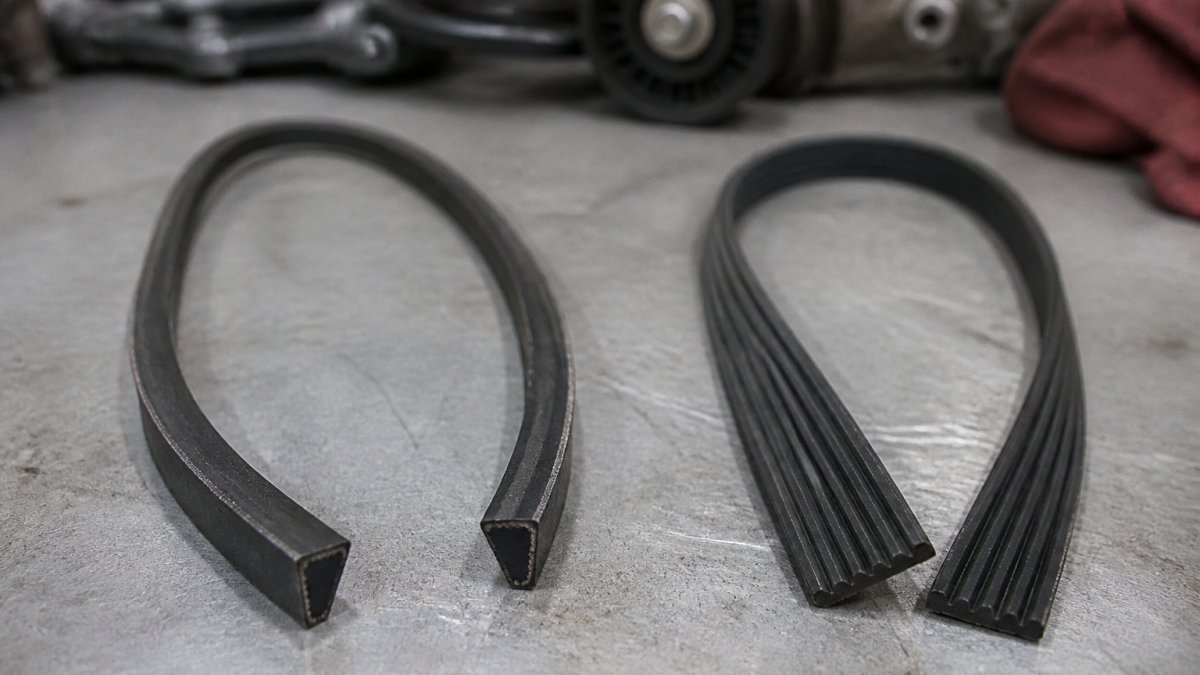
V-Belt Cross-Section and Pulley Contact
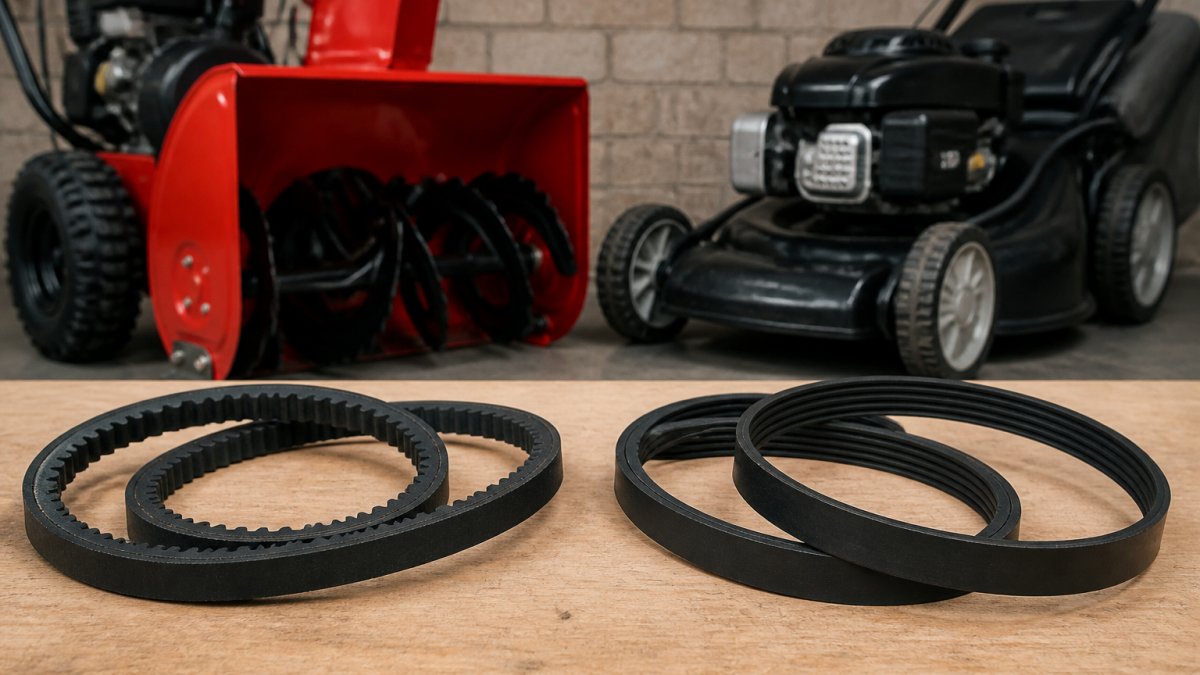
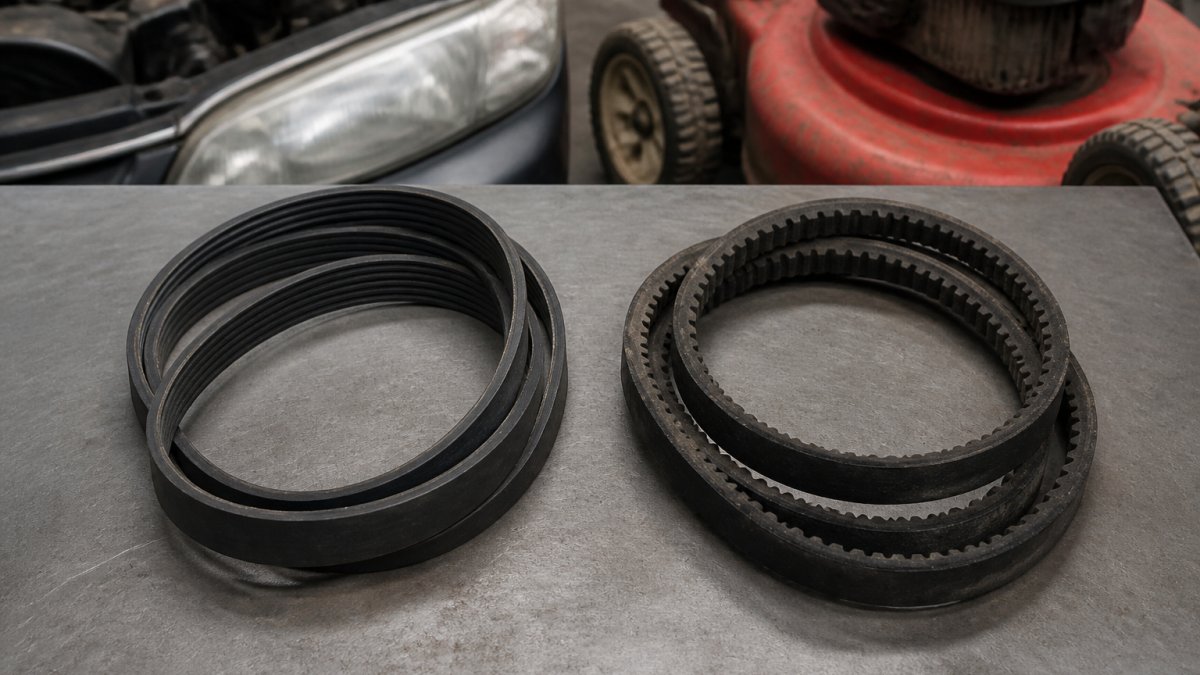
A V-belt has a distinctive V-shaped cross-section. This geometry means the belt rides inside a V-shaped groove on the pulley. The angled sides of the belt grip the pulley walls through friction, not direct surface contact. When a V-belt slips, the rubber slides against the pulley sides, creating a high-pitched chirping or squealing sound that's typically brief and intermittent.
The V-shaped design has a real advantage: it self-centers in the groove. But this same geometry creates a vulnerability. If tension drops or the pulley becomes misaligned, the belt can slip sideways within the groove, and that's when you hear the noise.
Serpentine Belt Ribs and Grip Characteristics
A serpentine belt is thicker and features multiple parallel ribs running lengthwise along the belt. Instead of riding in a V-groove, the serpentine belt's ribs mesh with corresponding grooves on the pulleys, like teeth on a gear. This design distributes contact across the entire width of the belt and multiple ribs simultaneously.
When a serpentine belt squeals, it's usually because one or more ribs are losing grip on the pulleys. The noise is often a sustained, high-pitched squeal rather than intermittent chirping. The sound may vary in volume without changing pitch, and it often gets worse during cold starts or when the engine is running at high load.
How to Determine Which Belt Is Squealing
Identifying which belt is squealing requires listening carefully and understanding what conditions trigger the noise. The pattern, timing, and pitch all point to different root causes.
Listening for V-Belt Chirping and High-Pitched Noise
V-belt squealing typically presents as a short, sharp chirp or high-pitched noise that comes and goes. You'll often hear it most clearly during acceleration, when the engine load jumps suddenly. The noise may last only a second or two before stopping, then return a few seconds later. This intermittent pattern is a hallmark of V-belt slip.
The pitch is usually very high, a clear, piercing sound. It's often described as a chirping noise rather than a sustained squeal. If you hear this pattern, focus your inspection on V-belt tension and pulley alignment. V-belt slippage is the most common culprit.
Identifying Serpentine Belt Squeal Patterns
Serpentine belt squealing is typically a longer, more sustained sound. You may hear it for several seconds at a time, and the volume can fluctuate even though the pitch stays constant. This pattern is especially noticeable during cold starts, when belt flexibility is reduced and grip is compromised. The noise often improves as the engine warms up.
Another telling sign: serpentine belt squeal often worsens when you turn the steering wheel hard while idling or accelerating. This is because power steering pump load increases dramatically, and if the belt is already marginally gripping the pulleys, that extra load causes slipping. The same pattern occurs when the air conditioning compressor cycles on.
Serpentine Belt Noise Diagnosis: Common Causes
Once you've identified that a serpentine belt is squealing, the next step is finding why. The most common causes fall into a few categories, and each one has a specific fix.
Belt Wear, Glazing, and Contamination
A serpentine belt that's been in service for years develops wear. The rubber hardens, the ribs flatten slightly, and grip decreases. This wear is gradual, so the squeal may come and go depending on temperature and load.
Glazing happens when the belt surface becomes shiny and slick, usually from heat or friction. A glazed belt looks almost polished and has lost its grip. Contamination makes the problem worse.
Inspect the belt surface carefully. If it's shiny, discolored, or visibly contaminated, replacement is often the most practical solution. A worn or glazed belt won't recover grip, and cleaning alone rarely solves the problem long-term.
Tensioner and Pulley Misalignment
The automatic tensioner on a serpentine belt system maintains consistent tension as the belt stretches over time. When the tensioner fails, it can't maintain proper tension, and the belt slips.
Pulley misalignment is equally problematic. If a pulley is bent, worn, or not perfectly aligned with the others, the belt doesn't track straight across all grooves. Some ribs lose contact with their grooves, and the remaining ribs slip.
Check pulley alignment by looking at the belt as it runs. It should track straight across all pulleys without drifting toward one side. If you see the belt wandering or hear noise from only part of the belt's width, misalignment is likely.
How to Fix V-Belt Slippage and Squealing
V-belt fixes are straightforward because the root causes are limited: tension, alignment, or the belt itself.
Checking Belt Tension and Automatic Tensioners
V-belt tension is critical. Too loose, and the belt slips. Too tight, and you overload bearings and burn out the belt prematurely. Most V-belt systems use an automatic tensioner that maintains proper tension as the belt stretches.
To check tension manually, press on the belt midway between two pulleys. On a properly tensioned belt, you should be able to move it about half an inch with moderate pressure.
Many V-belt systems have an automatic tensioner with a wear indicator. Look for a line or mark on the tensioner body. If the indicator has moved past the wear line, the tensioner is exhausted and should be replaced.
Inspecting Pulleys for Rust and Misalignment
Rust on pulley surfaces destroys grip. A rusty pulley looks orange or brown and feels rough. Clean rust off with a wire brush or fine sandpaper. For light surface rust, cleaning may restore grip.
Pulley misalignment is less obvious but equally important. The pulleys should form a straight line perpendicular to the belt's direction of travel. Use a straightedge or laser alignment tool to check.
Check also for bent or worn pulleys. A bent pulley creates a wobble that the belt can't follow smoothly. Spin each pulley by hand and watch for runout (side-to-side movement). Excessive runout means the pulley is damaged and should be replaced.
Safe Inspection Steps for Both Belt Types
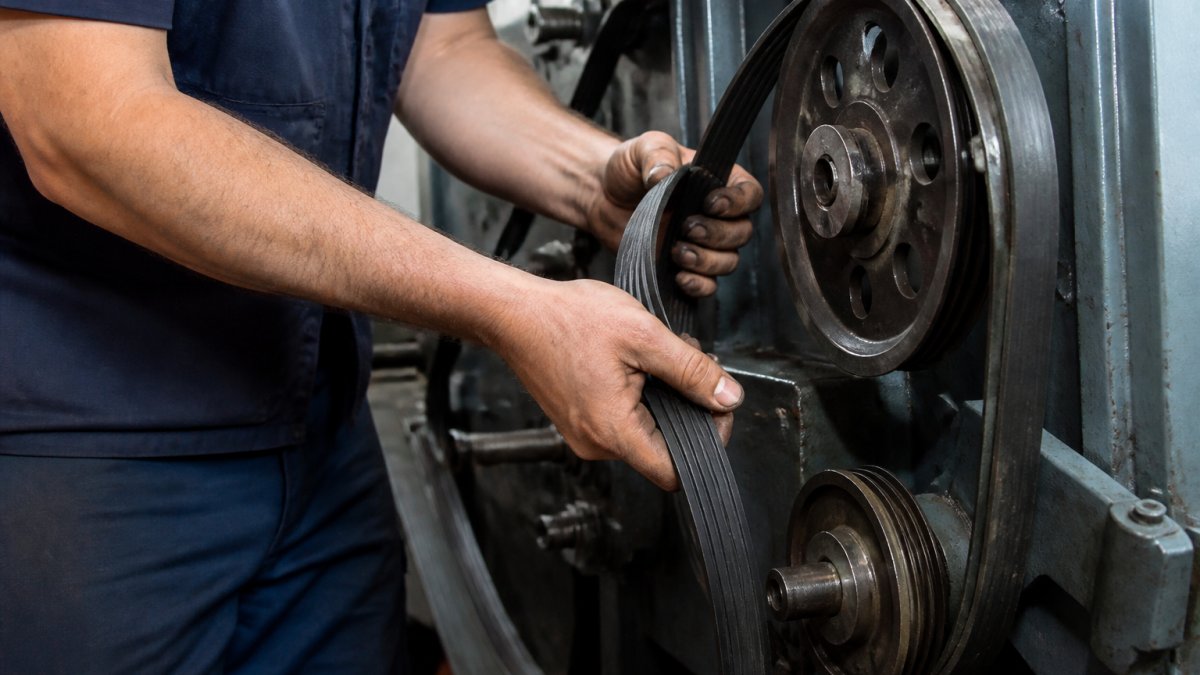
Before you start inspecting belts, make sure the engine is off and cool. Never work on belts while the engine is running, the rotating pulleys can catch your hands or tools.
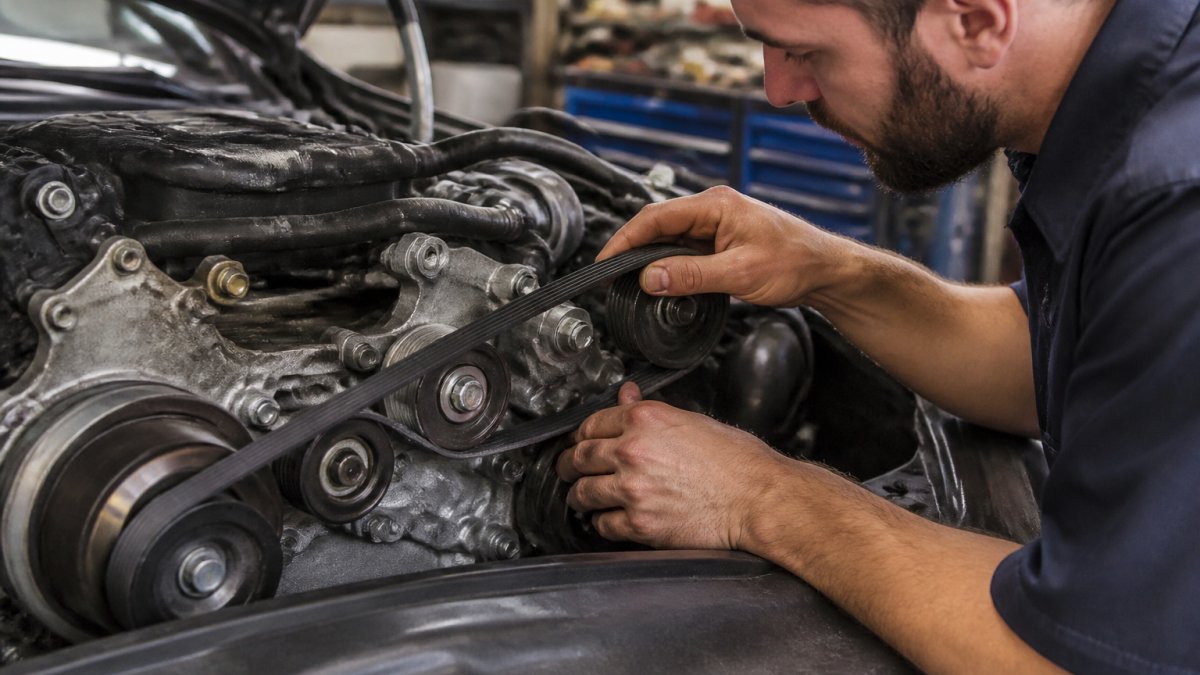
Start by visually examining the entire belt. Look for cracks, splits, fraying, or missing chunks of rubber. Check for glazing, a shiny, slick appearance.
Next, inspect the pulleys. Spin each one by hand and watch for wobbling or grinding sounds. Check for rust, pitting, or visible damage.
Finally, check belt tension (for V-belts) or tensioner condition (for serpentine belts). For V-belts, press on the belt midway between pulleys and note how far it moves.
| Inspection Point | What to Look For | What It Means |
|---|---|---|
| Belt surface | Cracks, glazing, contamination | Belt wear; may need replacement |
| Pulley condition | Rust, pitting, wobbling | Pulley damage; affects belt grip |
| Belt tracking | Straight alignment across pulleys | Proper installation; no misalignment |
| Tensioner (serpentine) | Indicator past wear line | Tensioner failure; replace soon |
| Belt tension (V-belt) | Half-inch movement when pressed | Proper tension; adequate grip |
Other Components That Can Mimic Belt Squeal
Not every high-pitched noise from the engine is belt squeal. Several other components can produce similar sounds, and misdiagnosing the source wastes time and money.
A worn serpentine belt pulley bearing can squeal just like a slipping belt.
Power steering pump noise is another common culprit.
The alternator can also squeal if its bearing is worn. This sound is typically constant and comes from the alternator housing specifically.
Air conditioning compressor noise is less common but possible.
To isolate the source, listen carefully and note when the noise occurs. Does it change with engine speed, load, or AC operation?
When to Replace Your Belt and What to Expect
A squealing belt is almost always a sign that replacement is near.
For V-belts, replacement is usually straightforward. Remove the old belt, loosen the motor mount or driven component to create slack, install the new belt, and retension.
For serpentine belts, the process is similar, but you'll also need to address the tensioner if it's worn.
The cost of replacement varies based on belt type, vehicle or equipment, and labor. But the cost of ignoring a failing belt is far higher.
Understanding belt squealing differences between V-belt and serpentine belt types helps you diagnose problems quickly and make the right repair decision.
When you're ready to replace a worn or damaged belt, V-Belt Nation offers the exact replacement you need, backed by reliable on-time delivery, competitive pricing, and a dedicated support team ready to help you find the right belt for your specific application. Shop Now and keep your machinery running smoothly.
Frequently Asked Questions
What does a squealing V-belt sound like compared to a serpentine belt?
A V-belt typically produces a sharp chirping or high-pitched noise that occurs in short bursts, especially during cold starts or acceleration. A serpentine belt squeal is usually a sustained, high-pitched sound that may vary in volume without changing pitch. V-belt noise often comes from a single accessory like the alternator or power steering pump, while serpentine belt squealing indicates the entire accessory drive system is slipping on pulleys.
How can you determine which belt is squealing in your engine?
Listen carefully while the engine runs at idle and during acceleration. Mark the location where the sound is loudest using a mechanic's stethoscope or a piece of cardboard as a sound guide. Check the belt routing diagram under the hood to identify which accessories are driven by that belt section. For V-belt systems, squealing from the alternator area suggests alternator pulley issues; squealing near the power steering pump indicates that accessory's belt. Serpentine belt noise typically involves the entire accessory load, so the sound is more generalized across the engine bay.
What are the most common causes of serpentine belt noise?
The top causes are belt wear and glazing, which reduce friction and grip on pulleys; contamination from oil or coolant seeping onto the belt; a weak or failing automatic tensioner that cannot maintain proper tension; and pulley misalignment or rust on the pulley surfaces. Cold starts often trigger squealing because the belt is stiff and the tensioner is slow to engage. Acceleration can also cause squealing if the accessory load spikes and the belt cannot grip the pulleys.
Can a loose belt cause squealing?
Yes. Both V-belts and serpentine belts squeal when tension is too low. The belt slips on the pulleys instead of gripping them, creating the characteristic high-pitched noise. Loose belts also fail to drive accessories efficiently, leading to weak battery charging, poor power steering response, and overheating. Checking belt tension is one of the first troubleshooting steps. For serpentine systems, a failing automatic tensioner is often the culprit; for V-belts, manual adjustment or a worn tensioner spring may be needed.
How do you stop a belt from squealing without replacing it?
First, check and adjust belt tension according to your engine's specifications. A tensioner tool or deflection method can confirm proper tension. Clean the belt and pulleys with a lint-free cloth to remove oil, coolant, or dirt that reduces grip. Inspect pulleys for rust or misalignment and clean or realign them if necessary. If squealing persists and the belt shows no visible wear or glazing, the tensioner may be failing and will need replacement. Temporary fixes like belt dressing are not recommended as they mask the underlying problem and can damage the belt.