 listicle
Benefits of Cogged Mower Belts: A Practical Guide
Table of Contents
- What Makes Cogged Mower Belts Different
- Cogged vs Smooth Mower Belt: Key Differences
- Heat Dissipation and Operating Temperature
- Power Transmission and Drive Efficiency
- How to Measure a Lawn Mower Belt
- Lawn Mower Belt Compatibility and Selection
- Mower Belt Wear and Replacement
- Common Limitations and When Cogged Belts May Not Help
- Frequently Asked Questions
Last Updated: October 12, 2026
What Makes Cogged Mower Belts Different
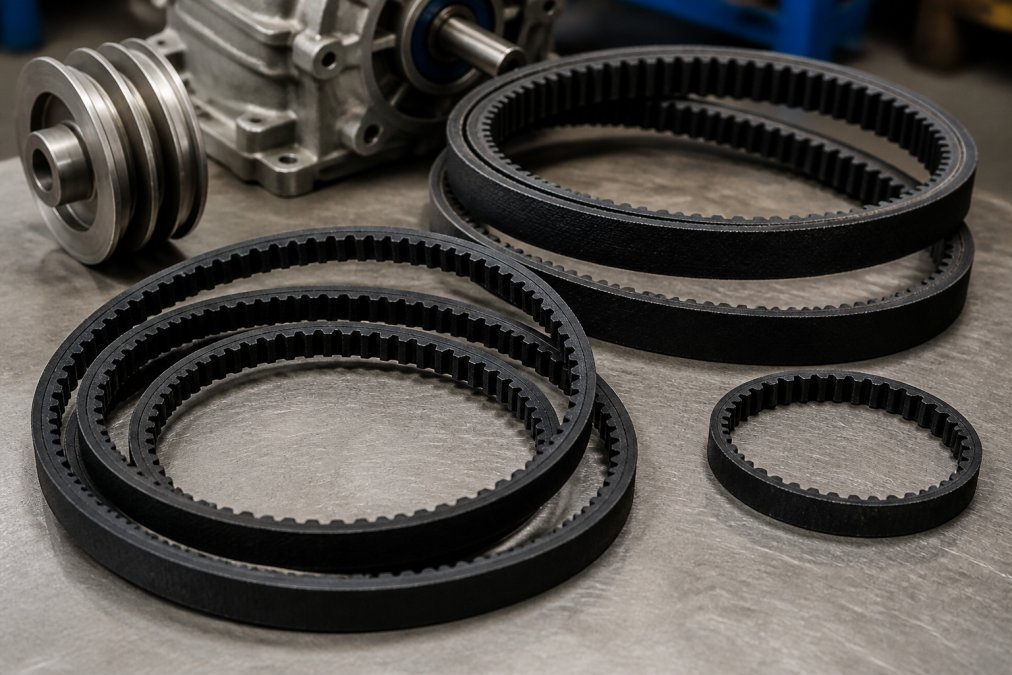
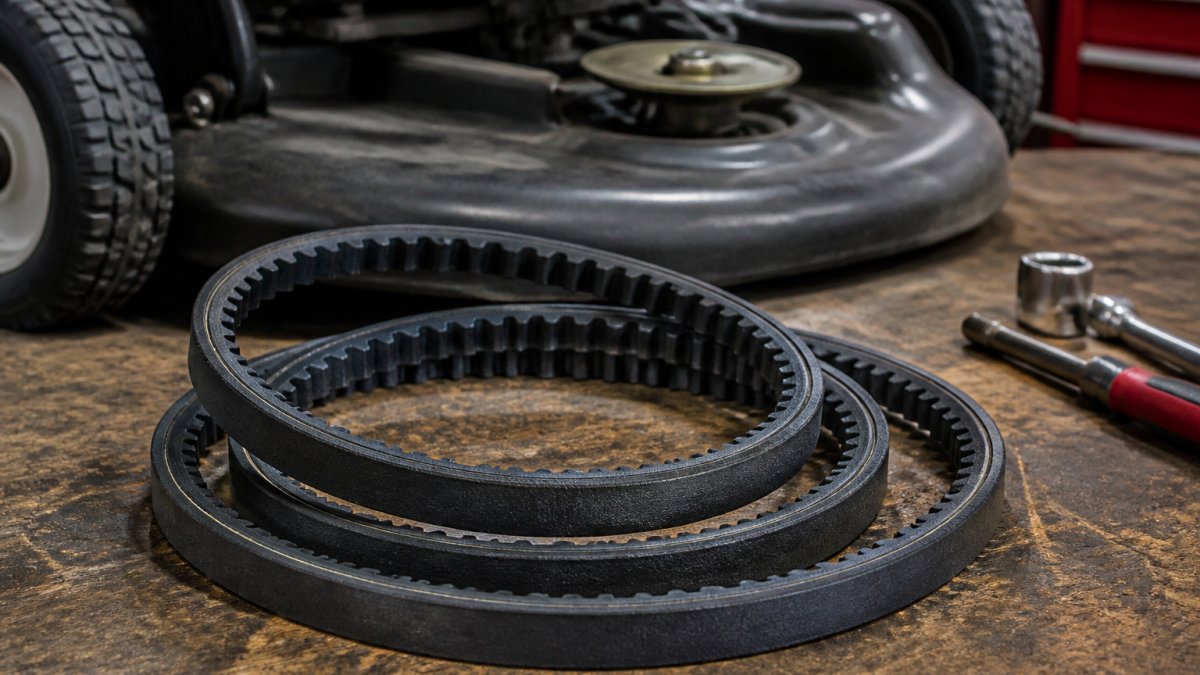
A cogged mower belt is a power transmission component with notches or teeth cut into its inner surface, designed to reduce slippage and improve flexibility compared to smooth V-belts. The notches let the belt bend more easily around smaller pulleys while maintaining grip under load. At V-Belt Nation, we help homeowners and maintenance professionals understand why this design matters for lawn equipment performance.
The key difference lies in how cogged belts distribute stress. Traditional smooth V-belts rely on friction alone to grip the pulley, which can cause slippage under high torque. Cogged belts add mechanical engagement through their notches, creating a more positive drive connection, important because mower decks and drive systems operate under variable loads.
How notches improve belt performance
The notches cut into a cogged belt serve multiple purposes beyond simple grip. They increase the belt's surface area in contact with the pulley, which spreads the load across more material. This reduces stress concentration at any single point, which is why cogged belts tend to last longer under demanding conditions.
The notches also improve heat dissipation. Smooth belts can trap heat between the belt and pulley during sustained operation, while cogged designs allow air circulation through the notch channels. Temperature control directly affects durability, since rubber deteriorates faster when exposed to prolonged heat.
For lawn mower applications, the flexibility gain matters most. A cogged belt can navigate the tight pulley radius on many mower decks without excessive bending stress, preventing the premature cracking that sometimes affects smooth belts on equipment with compact pulley spacing.
Cogged vs Smooth Mower Belt: Key Differences
Choosing between a cogged and smooth belt depends on your mower's design and operating conditions. A smooth V-belt works fine for many applications, but cogged belts offer distinct advantages in specific situations.
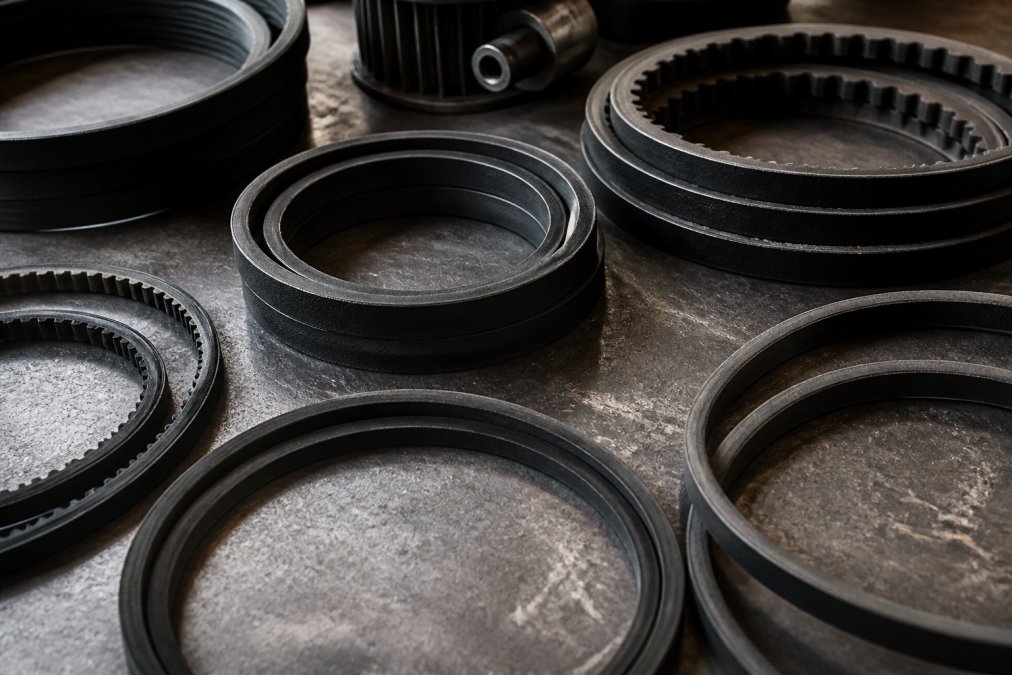
The most obvious difference is construction. Smooth belts have a uniform inner surface, while cogged belts feature regularly spaced notches. This simple design change affects grip, flexibility, and heat management, and for mower decks with smaller pulley diameters or higher-load cutting conditions, the cogged design often outperforms.
Flexibility and small pulley performance
Cogged belts excel when pulleys are small or closely spaced. The notches allow the belt to bend around tight curves without the excessive stress smooth belts experience, critical on many residential mower decks, where space constraints force designers to use smaller pulleys.
When a smooth belt bends sharply around a small pulley, the inner surface stretches and the outer surface compresses, creating uneven stress distribution and accelerating material fatigue. Cogged belts distribute this bending stress more evenly across the notch structure, reducing fatigue and extending service life.
For mowers with deck diameters under 48 inches, cogged belts are often the better choice. These compact designs typically use pulleys in the 3- to 5-inch range, where cogged belt flexibility provides measurable performance gains.
Slippage and grip under load
Slippage occurs when belt speed doesn't match pulley speed, the belt spins but doesn't fully engage the pulley, wasting energy and reducing cutting efficiency. Cogged belts resist slippage better because the notches create mechanical engagement, not just friction.
A smooth belt relies entirely on friction between the belt material and pulley surface, so if the pulley gets wet, dusty, or belt tension drops slightly, slippage increases. Cogged belts have a mechanical advantage: even if friction decreases, the notches still grip the pulley grooves, making them more reliable under variable conditions.
For high-torque situations, like cutting thick grass or wet conditions, cogged belts maintain drive efficiency better. The grip advantage becomes especially apparent when belt tension is marginal or when the pulley surface is less than perfectly clean.
Heat Dissipation and Operating Temperature
Heat buildup shortens belt life. Cogged mower belts dissipate heat more effectively than smooth belts because their notches create air channels that let heat escape, keeping the belt cooler during sustained operation.
Smooth belts trap heat between the belt and pulley surface, especially during high-load periods, accelerating rubber degradation and shortening belt life by 20-30% in continuous-use applications. Cogged belts' open structure prevents this heat trapping, maintaining lower operating temperatures.
For commercial mowing operations or homeowners with large properties, the temperature advantage translates to longer intervals between belt replacements. A belt that runs 10-15 degrees cooler will last noticeably longer, reducing maintenance frequency and downtime.
Power Transmission and Drive Efficiency
Cogged mower belts deliver power more efficiently than smooth belts in most mower applications. The mechanical engagement of the notches means less energy is wasted to slippage and heat generation, subtle on small residential mowers but significant on larger commercial equipment.
Power transmission efficiency matters because it affects cutting performance. A more efficient drive system delivers consistent blade speed under varying load, producing cleaner cuts and reducing strain on the engine. Over a full mowing season, that can mean noticeably better cutting quality with less engine wear.
The efficiency advantage also extends to fuel consumption. When the drive system wastes less energy to slippage and heat, the engine doesn't work as hard to maintain blade speed. This translates to modest fuel savings on gas-powered mowers and longer battery runtime on electric models.
How to Measure a Lawn Mower Belt
Accurate measurement is essential for selecting the correct replacement belt.
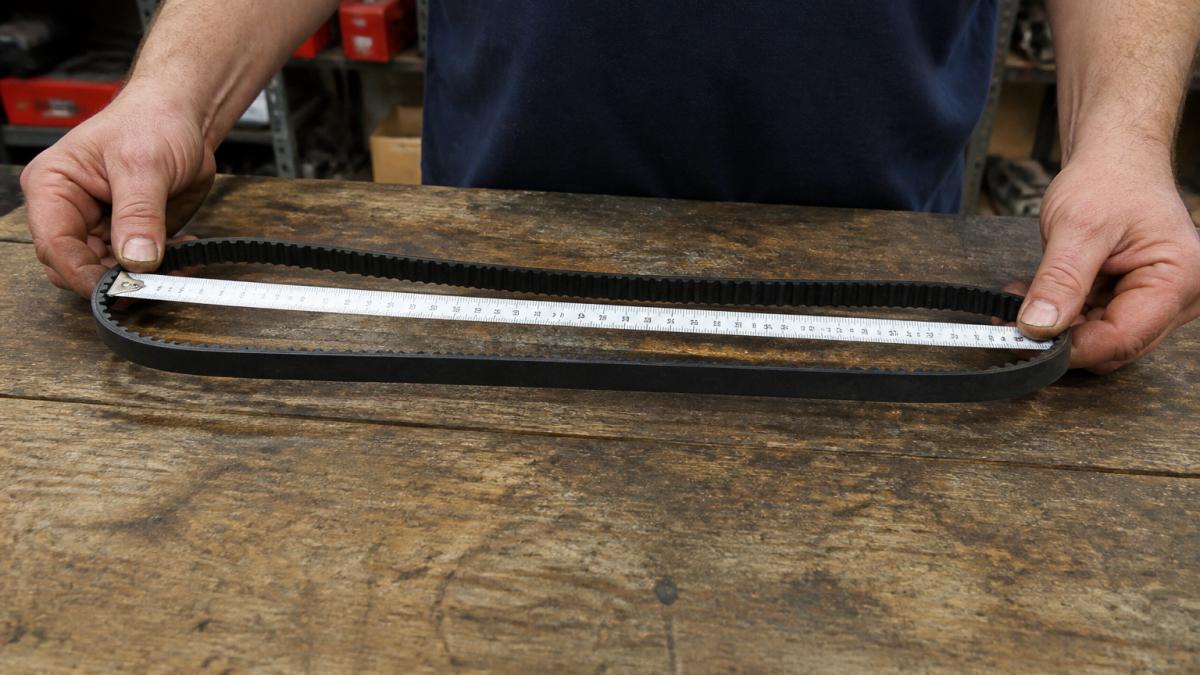
To measure an existing belt, lay it flat on a clean surface and stretch it gently.
If you cannot remove the old belt, measure the pulley diameters and center-to-center distance instead. Add the pulley diameters together, multiply by 1.57, then add twice the center-to-center distance for an approximate belt length.
Write down the belt type as well. Check whether your mower uses a standard V-belt, a cogged belt, or a specialized deck belt.
Lawn Mower Belt Compatibility and Selection
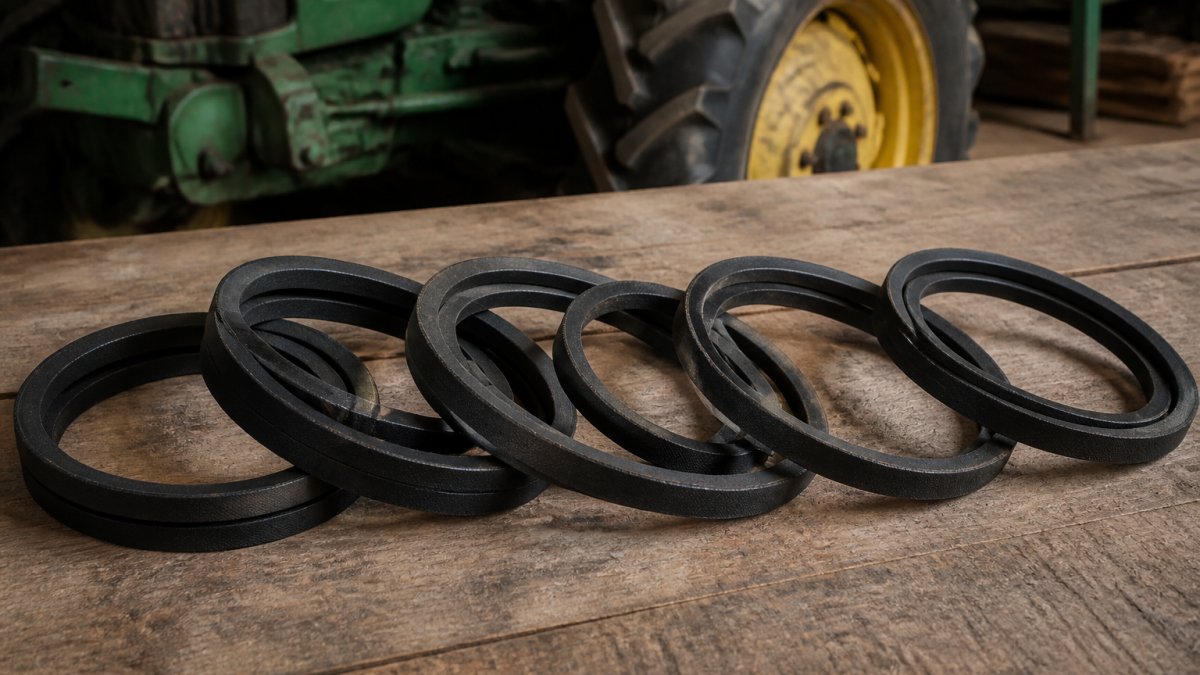
Not every mower benefits from switching to a cogged belt. Compatibility depends on pulley groove design and the mower's original specifications. Some mowers use smooth pulleys that require smooth belts; others have V-grooved pulleys that work with standard V-belts; and some have cogged pulley grooves designed specifically for cogged belts.
Before purchasing a replacement belt, verify your mower's pulley configuration. Check your owner's manual or contact the manufacturer to confirm whether cogged belts are compatible. Using the wrong belt type will result in poor grip, slippage, and potential damage to the pulley.
Matching belt type to deck and drive systems
Residential deck mowers typically use one of three belt configurations. Smaller decks (under 42 inches) often use narrow cogged belts for the deck drive. Mid-size decks (42-54 inches) may use standard V-belts or cogged belts depending on pulley design. Larger commercial decks frequently use multiple cogged belts for reliability and redundancy.
The drive system, the mechanism that powers the mower wheels or deck, has its own belt requirements. Some mowers use a separate belt for wheel drive, while others integrate deck and drive through a single belt system.
When selecting a replacement, match the belt type to your mower's original equipment. If your mower came with a cogged belt, use a cogged replacement. If it came with a smooth belt, verify with the manufacturer before switching types.
When cogged belts are the right choice
Cogged belts are the right choice when your mower has tight pulley spacing, high-load cutting conditions, or a history of belt slippage. If you've experienced repeated belt failure or squealing noise, a cogged belt often solves the problem with better grip and heat dissipation.
Cogged belts also make sense if your mower operates in hot climates or during extended mowing sessions. The improved cooling keeps the belt within safe operating temperatures, extending its service life. For commercial landscaping operations with multiple mowers, standardizing on cogged belts can simplify inventory management and reduce replacement costs through bulk purchasing.
| Belt Type | Best For | Key Advantage | Limitation |
|---|---|---|---|
| Smooth V-belt | Standard residential mowers, simple drive systems | Low cost, adequate performance | Prone to slippage under load |
| Cogged belt | Compact decks, high-load cutting, hot climates | Superior grip, better heat dissipation | Requires compatible pulley grooves |
| Banded belt | Heavy-duty commercial equipment | Extreme durability, multiple parallel strands | Higher cost, requires precise alignment |
Mower Belt Wear and Replacement
Lawn mower belts don't last forever. Regular inspection helps you catch wear early and avoid unexpected breakdowns during the mowing season.
Signs of belt fatigue and durability factors
Visible cracks on the belt surface indicate advanced wear. Small surface cracks are normal, but deep cracks that penetrate the belt structure signal imminent failure, as do fraying edges or missing chunks of rubber.
Noise is another warning sign. A squealing sound during mowing usually means the belt is slipping due to wear, tension loss, or pulley misalignment.
Loss of cutting efficiency sometimes precedes visible belt wear. If your mower struggles to maintain consistent blade speed or cuts unevenly, a worn belt may be the culprit.
Durability depends on operating conditions. Cogged belts typically last 2-4 years with normal residential use. Commercial mowers operating 40+ hours per week may need replacement annually. Hot climates, dusty conditions, and high-load cutting all reduce belt life.
Service life and maintenance intervals
A well-maintained belt lasts longer than one that's neglected. Inspect your mower belt at the start of each mowing season and monthly during use. Check tension by pressing the belt midway between pulleys, it should deflect about 1/2 inch with moderate hand pressure. Adjust tension if it's too loose or too tight.
Keep pulleys clean. Dust and grass clippings reduce friction and accelerate belt wear. Wipe pulley surfaces with a dry cloth before each use. Check pulley alignment; misaligned pulleys cause uneven wear and premature failure.
Replace belts proactively rather than waiting for failure. A belt that shows surface cracks or has lost flexibility should be replaced before it breaks. Preventive replacement during off-season maintenance is far cheaper than emergency replacement during the mowing season.
Common Limitations and When Cogged Belts May Not Help
Cogged belts aren't a universal solution. In some situations, belt problems stem from other issues that cogged belts cannot fix.
If your mower has pulley misalignment, switching to a cogged belt won't solve the problem. Misaligned pulleys cause uneven wear and slippage regardless of belt type.
Low belt tension is another issue cogged belts cannot overcome. If the tensioning mechanism is broken or worn, the belt will slip whether it's cogged or smooth.
Some older mower designs use smooth pulleys that aren't compatible with cogged belts, and fitting a cogged belt onto a smooth pulley results in poor contact and slippage.
Finally, cogged belts cost more than smooth belts.
Lawn mower belt performance directly affects cutting quality and equipment reliability. Understanding the benefits of cogged mower belts helps you make informed maintenance decisions.
Frequently Asked Questions
What are the advantages and disadvantages of cogged mower belts?
Cogged mower belts offer superior flexibility around small pulleys, better heat dissipation, and improved grip under load compared to smooth belts. They reduce slippage and operate more quietly. The main drawback is cost, cogged belts typically cost more upfront. They also require proper tension adjustment; if over-tensioned, they can wear faster. For most residential and commercial mower applications, the benefits outweigh the higher initial investment.
Do cogged mower belts last longer than smooth belts?
Cogged belts can extend service life under the right conditions. Their design distributes bending stress more evenly, reducing fatigue. However, longevity depends on proper installation, correct tension, pulley alignment, and operating conditions. A well-maintained cogged belt often outlasts a smooth belt, but a poorly tensioned cogged belt can fail prematurely. Regular inspection for wear and noise helps maximize durability.
How do I know which replacement belt fits my mower?
Check your mower's owner manual for the exact belt specification, which includes length and width. You can also measure the old belt's length (end-to-end around the pulleys) and measure its width. Note the pulley sizes and spacing. Some mowers use cogged belts, others use smooth belts, your manual will specify which type. When in doubt, contact V-Belt Nation's support team with your mower model; they can help identify the correct belt and confirm compatibility.
Can cogged belts reduce heat buildup in a mower drive?
Yes. Cogged belts dissipate heat more effectively than smooth belts because the notches increase surface area and allow air circulation. This is especially beneficial in high-load mowing applications or hot climates. Better heat dissipation reduces operating temperature, which can extend belt life and improve efficiency. Proper belt tension and pulley alignment also play a role in minimizing heat generation.